

Metoidioplasty is a gender affirmation surgery type, also referred to as a “bottom surgery” or a “meta.” Gender affirmation surgeries are a group of surgical procedures that some transgender and gender diverse people use to help affirm their gender identity. The procedure uses the tissue from your clitoris to create a neophallus, literally a “new penis.” It is a less-extensive procedure than phalloplasty and is performed after the clitoris has been enlarged through the use of testosterone therapy. It is possible to undergo phalloplasty after a metoidioplasty, but the reverse is not true. For metoidioplasty you should be on hormonal substitution therapy for at least one year.
The goals of this surgery are to provide a penis of suitable length, natural-looking genitalia and the ability to urinate while standing up.
Eligibility for metoidioplasty
The metoidioplasty is a surgery requested by people assigned female at birth. This surgery helps to align their physical bodies with who they really are.
Surgery is never the first step in a gender transition. It is something that happens after you have already explored social and medical transition options.
What happens before a metoidioplasty?
When you decide to have a metoidioplasty, before your surgery you’ll probably do these things:
- Have a physical exam to assess your health and learn more about your medical history.
- Receive patient education about risks, benefits and postsurgical care requirements.
- Have a mental health evaluation to ensure your understanding of the procedure. Healthcare providers also explain its impact on your life. You’ll need to have surgery referral letters from two qualified mental health professionals. This is the time discuss your expectations of the surgery.
- Take hormone therapy for at least one year.
- Live for at least one year in a manner consistent with your gender identity.
- Get health recommendations, including quitting smoking and losing weight, which lower your risk of complications.
During metoidioplasty
The fact that clitoris and penis are both derived from the same tissue, although they have different functions. Metoidioplasty takes advantage of this fact by creating a penis from the clitoris after it has been enlarged through the use of testosterone therapy. This refers to a penis that is less than 7 centimeters or about 2.57 inches long. Often, a scrotoplasty (surgical creation of a scrotum from the labia majora) is performed at the same time.
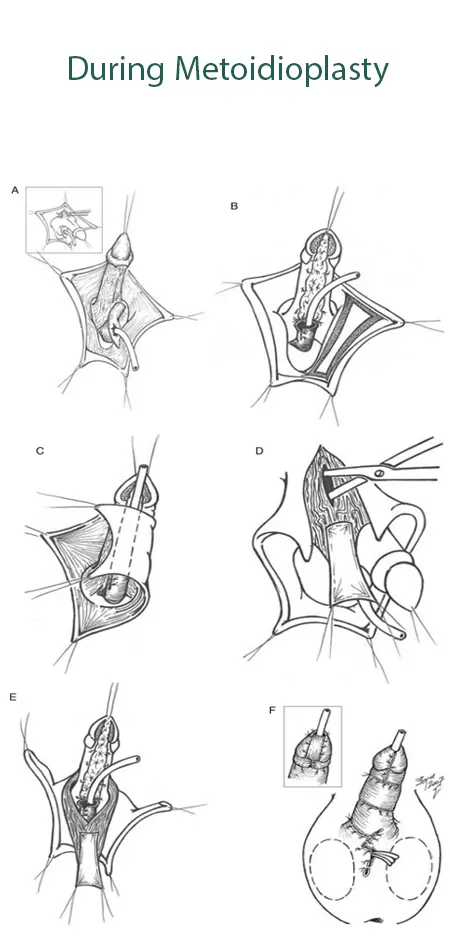
Depending on the type of metoidioplasty you have, your surgeon may:
- Release the clitoris by cutting the ligaments that connect it to the pubic bone. This is called a simple metoidioplasty.
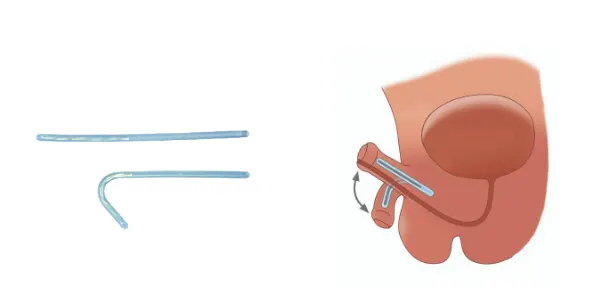
- Insert a plastic tube (catheter) into the bladder that is threaded through the neophallus to keep the urethral space open.
- Use vaginal or cheek tissue to make the urethra longer.
- Use genital tissue to increase the length and girth of the neophallus.
After a metoidioplasty
After a metoidioplasty, you’ll need time to heal. Sometimes the surgery is done in several steps and subsequent surgeries take place two to four months after your first one.
Metoidioplasty can take between 2 and 5 hours and you may need to stay in the hospital for a day or two. Because the healing process can take time, you shouldn’t engage in strenuous physical activity or heavy lifting in the first 6 weeks after metoidioplasty.
If you undergo urethral lengthening as part of metoidioplasty, you will also likely need to urinate through a catheter for 3 to 4 weeks after surgery. Your clinical team will give you detailed instructions on how to care for the catheter, and how to check for signs of infection at the surgical site, such as redness and swelling. You will likely be able to walk around and engage in light activity within a week after surgery, and healed enough to go back to all activities at around 6 weeks. This surgery has a very long healing process that can take 12 to 18 months.
See my healthcare provider regarding a Metoidioplasty
If you’ve had a metoidioplasty, you should always follow the recommendations made by your surgeon regarding the schedule of visits and recuperation. Your healthcare team is always ready to take questions, so don’t hesitate to call with your concerns.
However, you should call your provider or seek emergency care if you:
- Have signs of infection, like a fever, swelling or pus.
- Have excessive bleeding.
- Have difficulty or pain with urination.
- Have body pain that has lasted too long or seems too severe.
How common are metoidioplasty surgeries?
One survey estimated that 2% of transmen in the U.S. have had metoidioplasty and about 25% would like to have it in the future. However, there has traditionally been some difficulty in reporting accurate figures regarding the transgender and non-binary populations. This is due in part to different and changing terminology and also to the fact that data has not always been collected. Numbers do indicate that the number of gender affirming surgeries being done is increasing and will continue to rise.
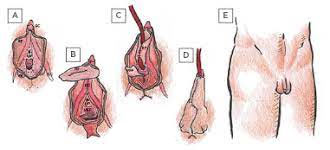
A person needs surgery for hormone enlargement of the clitoris. During this procedure, the surgeon also surgically removes the vaginal vaginectomy. In addition, they lengthen the duct and place chipboard. To lift the penis, the surgeon uses cheek tissue, small lips, or other parts of the vagina. The goal is to make it possible to urinate standing up.
One advantage of metoidioplasty is that the surgery-induced neopenis can be erected for erection. However, neopenis caused by metoidioplasty is often too small for sex.
Why is a metoidioplasty surgery done?
Metoidioplasty is a kind of surgery performed for those who have been defined as female at birth. This surgery turns them into who they truly are.
The reason why individuals do this surgery is to alter their gender and provide an appropriate penis with a natural-looking and suitable length.
What takes place before a metoidioplasty?
Have a physical test to distinguish your health and understand further about your case history.
Take patient education about dangers, advantages, and postsurgical care demands.
Have a mental health estimation to make sure you understand the operation. Doctors also clarify its impact on your life. This is the time to argue your expectations of the surgery.
You should take hormones for about a year.
What takes place through a metoidioplasty?
Through a metoidioplasty, your surgeon will apply the tissue from an elaborated clitoris to form a micropenis. (This appertains to a penis that is less than 7 centimeters or about 2.57 inches long.)
Relying on the type of metoidioplasty you have, your surgeon may:
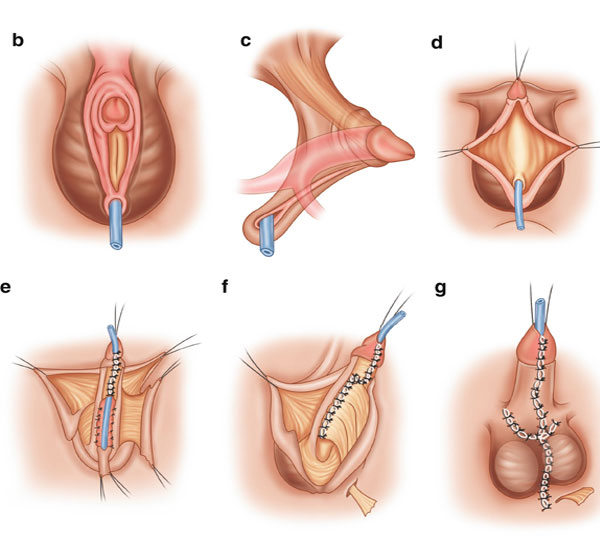
Release the clitoris by cutting the ligaments that conjugate it to the pubic bone. This is called a simple metoidioplasty.
Incorporate a plastic tube at the bladder that is threaded through the neophallus to hold the urethral space open.
Apply vaginal or cheek tissue to enlarge the urethra.
Apply genital tissue to expand the length and girth of the neophallus.
You may require to have other surgeries or extra changes during this surgery.
What are the benefits of a metoidioplasty?
It includes:
- Having genitalia that is esthetically pleasing.
- Preserving sensation.
- Being able to urinate while standing.
Complications of metoidioplasty
- Urinary fistula
- A fistula is a graft that forms between the urethra and another part of the body.
- Urethral stricture
- It is a narrowing of the urethra that blocks the flow of urine into the urethra.
- Another complication is that you may be dissatisfied with the results of the surgery. Some people who have had a metoidioplasty go on to choose another male genital surgery called a phalloplasty.
When should you see a doctor about metoidioplasty?
If you have had metoidioplasty surgery, you should always pay attention to what your doctor says.
Tell your doctor if you have any of these symptoms:
- Symptoms of infection such as fever, swelling
- Excessive bleeding
- Pain when urinating
- body pain
What is the difference between metoidioplasty and phalloplasty?
In metoidioplasty, the clitoris and vaginal tissue are used to make the penis. The new penis looks more like a micropenis. Your feelings do not disappear at that point. It is possible to get an erection after metoidioplasty. In phalloplasty, larger flaps of skin and muscle from other parts of the body, such as the forearm, thigh, or back, are used to create the penis. The penis is larger and more natural after phalloplasty surgery, but you need other methods to be able to get an erection. Some people may decide to have a phalloplasty after metoidioplasty.
Prognosis of female to male gender reassignment surgery
While the decision to have surgery is very personal, people who prefer to have these procedures often experience many benefits, including improved mental health and overall well-being, reduced gender disorder, increased self-esteem, and greater personal satisfaction. Sex reassignment surgery is medically essential to the American Medical Association. The prognosis of female-to-male surgery depends on the type of surgery, the individual’s health, and other factors. Most people express their satisfaction following this action. However, the rate of complications, especially in urinary tract health, is relatively high. Therefore, it is best for people undergoing surgery to work with a qualified plastic surgeon, urologist, gynecologist, and psychiatrist to ensure the best results. It is also necessary to follow the doctor’s instructions and participate in all subsequent treatment sessions.
