

Phalloplasty is a kind of surgery during which a new penis is created. This kind of surgery is performed due to serious injury or to fix congenital problems. In this article, we are to provide you with comprehensive information about this kind of surgery. Therefore, if you are about to perform Phalloplasty, read this article to the end.
What is Phalloplasty?
Phalloplasty is a type of surgery for penis construction. During this kind of surgery, the doctor uses the person’s own skin or tissue. Individuals may need this kind of surgery because of many reasons including serious injury and cancer. Moreover, Phalloplasty surgery may be performed owing to gender reassignment. Most of the people who undergo this surgery are happy with their results and the quality of their lives is dramatically improved.
Transition surgery varies from a person to person. Not all the transgender men need Phalloplasty. Some may opt for hormonal therapy and change their social life. Some other may have cosmetic chest surgery.
Phalloplasty is also recommended for those who have certain congenital conditions, such as:
- Suffer from aphthae, which occurs when a person is born without a penis.
- They have epispadias (epispadias is a rare condition in which urine comes out of the top of the penis instead of the tip).
- Hypospadias (which is the abnormal formation of a penile hole in the lower part of the urethra.)
- have too small penis
People whose penis has been injured or have experienced the following accidents:
- fire
- driving accidents
- Explosions
- Penile fractures due to sudden bending during an erection
What happend during phalloplasty?
During a phalloplasty, surgeons remove a large portion of the skin and tissue (flap) from another area of the body. After reconstructing the shape of a penis with this flap, surgeons attach it to the body through the groin. Phalloplasty surgery may include additional procedures featuring :
- Female genital mutilation surgery for patients undergoing FTM transgender surgery
- Creating and rebuilding the continuation of the urethra in the new penis
- Creating a scrotum or head of the penis (glans)
- Install a device to activate a new erection in a person’s body
- Placement of artificial testicles inside the scrotum
Where does neoplasm tissue come from?
- The tissue flaps required for phalloplasty surgery may be obtained from the following parts:
- Forearm: Free forearm flap (from elbow to wrist)
- Thigh: Anterior and lateral free flap of the thigh
- Back: Latissimus dorsi dorsal muscle flap.
Thigh phalloplasty
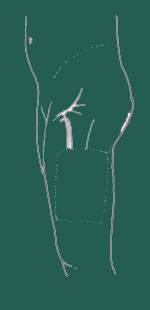
ALT Phalloplasty (ALT Phalloplasty) is a phalloplasty surgical technique in which the flap is removed from thigh area to make the penis feel sensible, aesthetically pleasing, and desirable. It is used to allow sexual intercourse and urination while standing. The external anterior flap of the thigh (ALT) is composed of skin, fat, and a layer of connective tissue. The femoral flap has excellent blood flow, however the design of the femoral blood vessels varies, which makes surgery complicated and difficult. The thickness of the skin and subcutaneous fat of the thigh is also an important factor in determining whether using the thigh flap to make a penis is desirable and appropriate. Prior to phalloplasty surgery, a multidetector CT scan (MDCT) is strongly recommended to assess blood flow to the donor area and subcutaneous fat in this area.
