

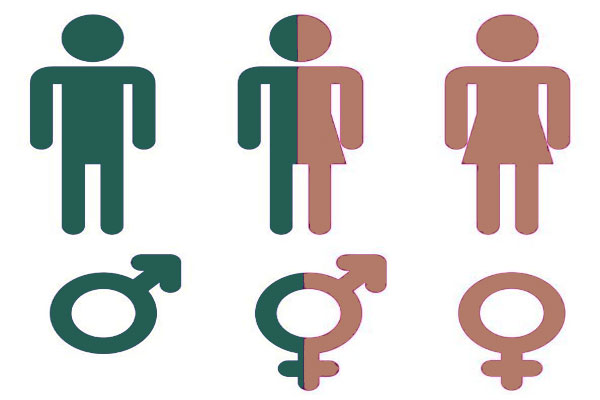
Gender affirmation surgery is a type of surgery that helps people change over to their self-identified gender. Gender-affirming options may contain different kinds of surgery like facial surgery, top surgery, or bottom surgery. Most of the people who elect gender affirmation surgeries report better mental health and quality of life. A transgender woman, man, or non-binary person may choose to undergo gender affirmation surgery. The term “transexual” was previously used by the medical community to describe people who undergo gender affirmation surgery. The term is no longer accepted by many members of the trans community as it is often weaponized as a slur. While some trans people do identify as “transexual”, it is best to use the term “transgender” to describe members of this community.
Differences between gender reassignment surgery in men and women
The sex reassignment procedure itself involves several surgeries. In the surgery of sex reassignment, the testicles and penis are removed, and the prostate gland may be removed. Then, the tissue of the penis is used to make the vagina and clitoris. The scrotum is used to make the edges around the vagina. The urethra, which is responsible for removing urine from the bladder, should also be shortened. In addition to genital surgery, many men with sexual dysphoria undergo gynecologic surgery on other areas of the body, such as deformed lips, eyes, and nose.

Gender reassignment surgery is one of the most complicated and expensive surgery. The breasts and organs of the female reproductive system, including the ovaries and uterus, are removed and the vagina closed. The penis and scrotum may be made of other tissue, such as the intestines. In some cases, penile implants are used. The urethra is stretched so that the patient can urinate standing up after gender reassignment.
Continued psychotherapy is recommended for most patients to adapt to their new body and lifestyle. Not all people with sexual dysfunction undergo gender reassignment surgery. Some feel comfortable living with the opposite sex without surgery. Others know that hormone therapy is enough for their personal needs.
General complications of gender reassignment
- Possible risks of gender reassignment surgery include:
- Hematoma
- Infection
- Bleeding
- Vaginal tightness
- Nerve damage
- Painful intercourse
- Risks of anesthesia
- Insufficient vaginal depth
- Damage to the urinary tract
- Poor healing of surgical incisions
- Abnormal connections between the urethra and the skin

These are just some of the complications of these surgeries. Also, in male-to-female sex reassignment surgery, certain doses of estrogen are prescribed to the patient after the administration of male anti-hormone drugs. Starting estrogen therapy in people increases the risk of blood clots in the patient’s arteries (deep vein thrombosis and pulmonary embolism), which in turn can lead to heart attacks and strokes. A blood clot in the left hemisphere of the brain disrupts the function of the right half of the body, and a blood clot in the right hemisphere of the brain disrupts the function of the right half of the body. They are also more likely to get breast cancer (even without hormone injections, they may get breast cancer).
Not only do these patients have to deal with physical changes, but they also face many psychological changes that may be difficult for them to cope with. With the help of counseling and postoperative care by doctors, counselors, and psychiatrists, the recovery process of patients will be better and faster. Postoperative complications can also include hematomas. Small hematomas can be treated with a puncture, but larger hematomas require surgery.
Another complication of sex reassignment surgery is nipple necrosis. Of course, the patient can take cosmetic procedures that allow the reconstruction of the nipples to solve this problem. People who want to have these treatments and surgeries should carefully research the side effects and risks of medications and surgeries and consult with their medical team because a lack of knowledge and awareness of these side effects can be very heavy for the patient.
Male-to-female gender reassignment surgery
Like any other surgery, can cause complications. Before any surgery, you should be fully aware of the possible risks and complications associated with any surgical procedure. Possible complications of gender reassignment include the following :
There may be a gap, tear, or fistula between the rectum and the new vagina. This complication should be considered by a surgeon immediately. Symptoms such as gas leakage or discharge from the vagina may occur as a result of this complication.
One of the potential long-term complications of vaginoplasty is decreased libido and inability to orgasm. About 63% to 94% of people retain their sexual ability after vaginoplasty, but some develop the condition following sex reassignment surgery.
Complete or partial cell necrosis and death in the tissue used to make the new vagina, clitoris, or lips. This complication is rare, and most likely occurs early in the recovery period, often before hospital discharge.
Rupture and bleeding from the sutures.
Narrowing or closing of the new vagina, which causes pain during intercourse.

Narrowing or closing of the urethra, which causes difficulty urinating, painful urination, or a significant reduction in the amount of urine excreted.
Complications of gender reassignment surgery female-to-male include the following
- Decreased nipple sensation
- The scar on the chest
- Necrosis and cell death after surgery
- Infection
- Accumulation of fluid at the surgical site, after surgery
- Decreased libido and inability to orgasm
- Other complications of this surgery include its common side effects with other surgeries, such as bleeding and pain.
